
Quick Summary
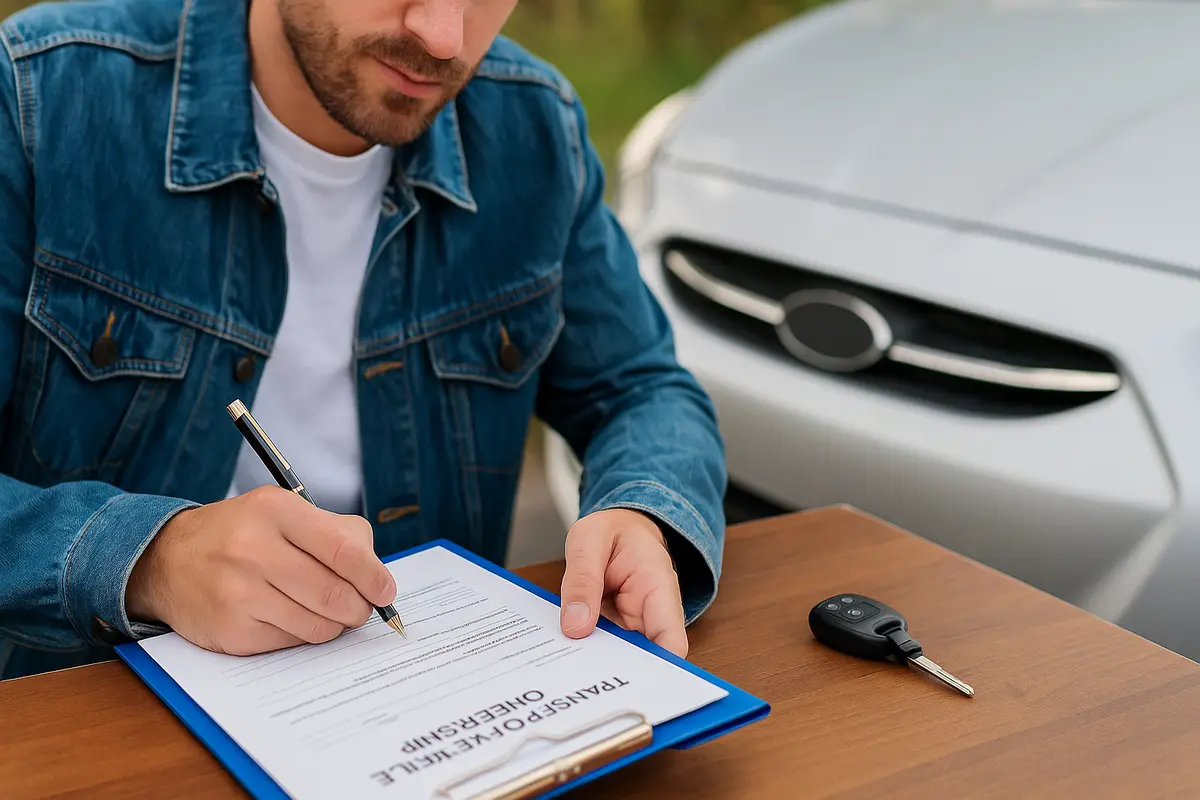
Selling or buying a car in NZ? Both the seller and buyer must notify NZTA (Waka Kotahi) when a vehicle changes hands.
Seller?
Complete the MR13A – Notice of Disposal
Buyer?
Complete the MR13B – Change of Registered Person
Most ownership transfers can be completed online in just a few minutes.
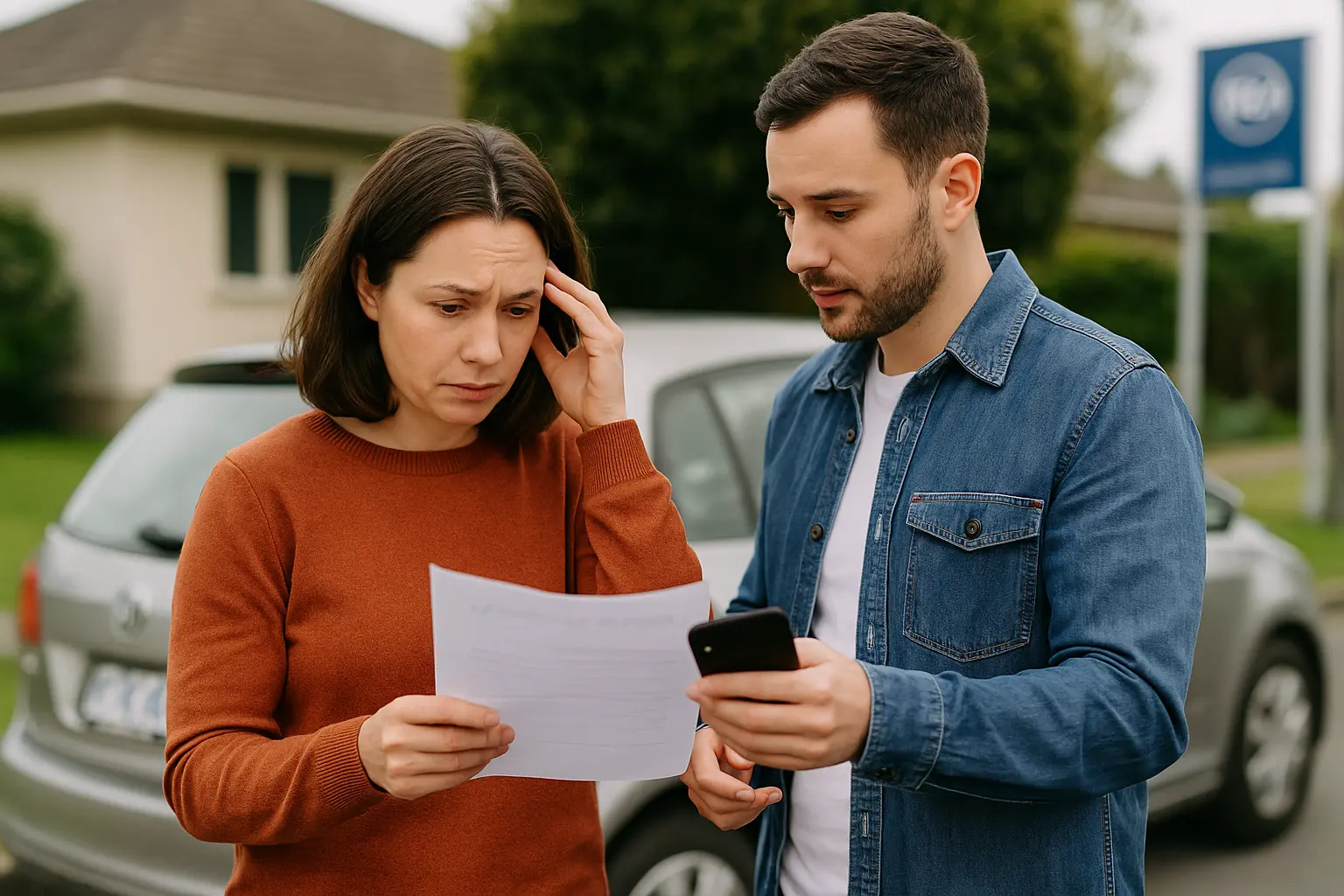
If you don’t complete the transfer properly, the previous registered person could still receive:
- fines
- toll charges
- infringement notices
- road user charges (RUC)
Quick Navigation
Introduction
Buying or selling a vehicle in New Zealand is usually pretty straightforward , but one of the most important steps is making sure the ownership transfer is completed properly.
A lot of people assume that once payment is made and the keys are handed over, everything is done.
But under NZTA rules, both the buyer and seller still need to notify Waka Kotahi that the vehicle has changed registered persons.
If this step gets missed, the previous registered person could still end up connected to:
- speeding tickets
- parking fines
- toll road charges
- road user charges
- future disputes involving the vehicle
The good news is the process is usually quick and easy when handled properly.
In this guide, we’ll cover:
- how to change car ownership online
- which forms you need
- buyer vs seller responsibilities
- what documents are required
- family ownership transfers
- vehicles with no WoF or rego
- common mistakes to avoid
- how ownership transfer fits into selling a vehicle in NZ
💡 Pro Tip: If you’re selling your car to a licensed buyer like CashForCar.nz, they’ll handle the entire transfer on your behalf, fast, legal, and stress-free.
What Does Change of Ownership Mean in NZ?
In New Zealand, vehicle ownership transfer is officially referred to as:
changing the registered person
The registered person is the individual or organisation recorded in the NZTA Motor Vehicle Register as being responsible for the vehicle.
That does not always mean they are the legal owner, but the registered person is generally responsible for:
- licensing the vehicle
- keeping registration details updated
- infringement notices
- tolls
- road user charges (RUC)
That’s why updating the registered person immediately after buying or selling a vehicle is important.
Who Is Responsible for Changing Car Ownership?
Both parties have separate responsibilities.
The Seller Must:
- notify NZTA the vehicle has been sold or disposed of
- complete the seller notification process
- provide buyer details
- complete the process immediately after sale
Seller Link (MR13A) – Notice of Disposal:
https://transact.nzta.govt.nz/transactions/NoticeOfDisposal/entry
The Buyer Must:
- notify NZTA they bought the vehicle
- complete the MR13B process
- ensure the vehicle is registered under their name
Buyer Link (MR13B) – Change of Registered Person:
https://transact.nzta.govt.nz/transactions/NoticeOfAcquisition/entry
One of the biggest mistakes people make is assuming:
“The other person will sort it.”
NZTA expects both parties to complete their own side of the transfer.
How to Change Car Ownership Online in NZ
Most ownership transfers can now be completed online through the Waka Kotahi NZTA website.
Online transfer is usually:
- the fastest option
- the easiest option
- available 24/7
- completed in just a few minutes in many cases
What You Need Before Starting
Seller Requirements
You’ll generally need:
- NZ driver licence
- vehicle plate number
- buyer’s full name
- buyer’s address
Buyer Requirements
The buyer will usually need:
- NZ driver licence or approved ID
- vehicle plate number
- NZ residential address
If you do not have an NZ driver licence, you may need to complete the process in person through an approved NZTA agent.
Step-by-Step Guide to Changing Car Ownership
Step 1: Seller Completes the MR13A Process
Once the vehicle is sold, the seller should immediately notify NZTA.
This process is commonly referred to as:
MR13A – Notice by Person Selling/Disposing of Motor Vehicle
Direct NZTA Link:
https://transact.nzta.govt.nz/transactions/NoticeOfDisposal/entry
This tells NZTA:
“I am no longer responsible for this vehicle.”
This step is extremely important because if ownership is not updated, the seller could still receive:
- fines
- parking tickets
- toll charges
- road user charge notices
Even after the vehicle has already been sold.
Step 2: Buyer Completes the MR13B Process
The buyer must then complete the buyer registration process.
This process is commonly referred to as:
MR13B – Change of Registered Person
Direct NZTA Link
https://transact.nzta.govt.nz/transactions/NoticeOfAcquisition/entry
This updates the NZTA register to show who is now responsible for the vehicle.
The buyer should complete this as soon as possible after purchase.
Step 3: NZTA Updates the Vehicle Record
Once both sides are completed:
- the registered person details are updated
- NZTA records are changed
- future responsibility shifts to the new registered person
Online updates are often processed quickly.
Can You Change Car Ownership In Person?
Yes.
You can also complete ownership transfers through approved NZTA agents such as:
- AA
- NZ Post
- VTNZ
- VINZ
This may be useful if:
- you do not have an NZ driver licence
- you need help with forms
- the transfer is more complicated
- the vehicle belongs to a company or organization
How Much Does It Cost to Change Car Ownership in NZ?
Ownership transfer fees can vary depending on:
- how the transfer is completed
- whether additional services are involved
- whether an NZTA agent processes the transaction
Because fees can change over time, it’s best to check the latest pricing directly through the official NZTA website before completing the process.
What Happens If You Don’t Change Ownership?
This is where people often run into problems.
If the registered person is not updated properly:
- the seller may still receive infringement notices
- toll charges could continue
- road user charges may become an issue
- disputes can become difficult later on
This is especially important when:
- selling privately
- selling damaged vehicles
- selling old vehicles
- selling deregistered vehicles
The safest option is to complete the transfer immediately after the sale happens.
Can You Change Ownership If the Car Has No WoF or Rego?
Usually, yes.
In many cases, ownership can still be changed even if:
- the WoF is expired
- the registration is overdue
- the vehicle is not running
- the car is damaged
This situation commonly happens with:
- damaged cars
- scrap cars
- project vehicles
- unwanted vehicles sitting unused
If you’re dealing with a damaged or non-running vehicle, these guides may help:
Sell My Car in NZ ↗
Sell Your Scrap or Old Car in NZ ↗
Sell a Damaged Car in NZ ↗
Can You Transfer Ownership to a Family Member?
Yes.
You can transfer vehicle ownership between:
- spouses
- partners
- parents and children
- other family members
The process is mostly the same as a standard ownership transfer.
Both parties still need to notify NZTA correctly.
This also applies when:
- gifting a vehicle
- handing a car down to family
- transferring ownership after separation
- changing vehicles within a household
Common Mistakes People Make
Waiting Too Long
The longer you wait, the bigger the risk of future problems.
Assuming the Other Person Will Handle It
Both buyer and seller must complete separate steps.
Forgetting Toll Accounts
Remove the vehicle from any toll auto-payment systems.
Not Keeping Proof
Save screenshots, emails, or confirmation records.
Selling Without Verifying Buyer Details
Incorrect buyer information can create complications later.
Selling a Car Privately vs Selling to a Car Buyer
Many people researching ownership transfer are also preparing to sell a vehicle.
Selling privately usually means:
- creating listings
- handling enquiries
- arranging inspections
- negotiating price
- managing paperwork
- completing ownership transfer yourself
For some people, that works well.
But many Kiwis now choose to sell directly to professional car buyers because the process can be faster and simpler, especially for:
- damaged vehicles
- old cars
- deregistered vehicles
- non-running vehicles
- unwanted cars taking up space
If you’re comparing options, these guides may help:
Sell Your Car Privately or to a Car Buyer? ↗
The Ultimate Guide to Selling Your Car in New Zealand ↗
Best Cash For Cars Companies NZ ↗
How This Fits Into Selling Your Car in NZ
Vehicle ownership transfer is only one part of the selling process.
Depending on the condition of the vehicle, you may also need to think about:
- valuation
- repairs
- WoF status
- registration
- towing
- scrap value
- market demand
That’s why many vehicle owners also explore:
Cash For Cars NZ ↗
Car Wreckers NZ ↗
Cash For Trucks NZ ↗
These services can often help with:
- vehicle removal
- damaged vehicles
- paperwork
- non-running cars
- same-day pickup
Frequently Asked Questions:
Both the buyer and seller are responsible for completing their side of the process with NZTA.
Yes. Most ownership transfers can now be completed online through the Waka Kotahi NZTA website.
Seller (MR13A):
https://transact.nzta.govt.nz/transactions/NoticeOfDisposal/entry
Buyer (MR13B):
https://transact.nzta.govt.nz/transactions/NoticeOfAcquisition/entry
MR13A refers to the seller notification process used when a vehicle is sold or disposed of.
MR13B refers to the buyer process used to register the vehicle under the new registered person.
Yes. However, buyers should clearly understand the vehicle condition and legal requirements.
Usually yes, provided the vehicle still exists within NZTA records.
Online transfers are often processed quickly, although processing times can vary.
Yes. Family transfers still require both parties to complete the NZTA process correctly.
You may still receive fines, tolls, or notices connected to the vehicle even after selling it.
Final Thoughts
Changing car ownership in New Zealand is usually simple when both parties complete the process properly and promptly.
The biggest thing is not to delay it.
Whether you’re buying a used vehicle, selling privately, getting rid of a damaged car, or moving on an old vehicle that’s been sitting unused, updating the registered person protects everyone involved and helps avoid unnecessary headaches later on.
And if you’re preparing to sell your vehicle, it’s also worth understanding the wider selling process, including:
- private sale vs car buyer options
- damaged vehicle selling
- scrap car removal
- vehicle valuation
- ownership paperwork
That’s why many NZ vehicle owners also explore services like Cash For Cars, Car Wreckers, and same-day vehicle removal when deciding the best way to move a vehicle on quickly and legally.